Finding freelance proofreading jobs involves understanding client needs, honing your skills, and knowing where to market your services. This article guides you through the process, from identifying essential proofreading abilities to navigating online platforms and building a client base. Discover practical tips and strategies to successfully secure remote proofreading work and establish your freelance career.
Understanding Freelance Proofreading Work
So, what exactly does a freelance proofreader do? Think of yourself as the final quality check. You catch those little errors that slip through.
This includes typos, grammar mistakes, and punctuation issues. You also check for consistency in style and formatting. Clients come from all walks of life.
They might be authors finishing a book. They could be businesses creating marketing materials. Students needing essays polished are also common.
Even bloggers want their posts to look professional. Your job is to make sure their written words are as clear and perfect as possible. This is super important for their reputation.
It shows they care about quality.
The beauty of freelance proofreading is its flexibility. You can often set your own hours. You can choose the projects that interest you most.
This freedom is a huge draw for many people. It means you can balance work with other life commitments. It’s not just about fixing mistakes.
It’s about helping people communicate effectively. A well-proofread document builds trust. It makes the writer seem credible.
Your role is essential in achieving that.
You are not editing. Editing looks at the bigger picture. It involves rewriting sentences.
It might change the structure of a piece. Proofreading is the very last step. It’s about polishing what’s already there.
You find and fix surface errors. This distinction is important. Clients hire you for specific tasks.
Knowing your role clearly helps you manage expectations. It also helps you price your services correctly. You’ll find many clients need just this final check.
When you start looking for freelance proofreading jobs, you’ll see different types of work. Some proofreaders focus on academic papers. Others specialize in fiction books.
Many work with businesses on websites or reports. You can even find niche areas like legal documents or medical texts. The more specific you get, the easier it can be to find clients.
It also helps you become an expert. This expertise makes you more valuable.
Skills You Need to Shine
To excel as a freelance proofreader, you need more than just a good eye. A strong grasp of grammar and punctuation is a must. You should know the rules of the English language inside out.
This includes common errors people make. Understanding different style guides is also very helpful. Guides like the Chicago Manual of Style or AP Style are frequently used.
Attention to detail is your superpower. You need to spot tiny errors. These might be single typos or misplaced commas.
This skill takes practice. Some people are naturally more detail-oriented. If you aren’t, you can train yourself.
Slowing down and focusing helps a lot. Reading text backward is one trick that works. It forces you to look at each word individually.
Good time management is also key. As a freelancer, you’re your own boss. You decide when to work.
But clients have deadlines. You need to deliver on time. This means planning your workload.
You should estimate how long tasks will take. Then, you can accept projects that fit your schedule. Missing deadlines can hurt your reputation quickly.
It’s one of the fastest ways to lose clients.
Communication skills are surprisingly important. You’ll talk to clients. You need to understand their needs.
You should explain what you’ve done clearly. Sometimes, you might suggest changes. You need to do this politely and professionally.
Being easy to work with makes clients happy. They’re more likely to hire you again. They might even recommend you to others.
Familiarity with common software is also useful. Most work will come as digital documents. You’ll need to know how to use word processors like Microsoft Word or Google Docs.
Features like track changes are essential. This lets the client see exactly what you’ve corrected. You might also use PDF editors.
Some clients might send files in different formats. Being adaptable helps.
Where to Find Your First Clients
The first step in finding freelance proofreading jobs is knowing where to look. Many platforms connect freelancers with clients. These are great starting points.
Websites like Upwork and Fiverr are very popular. You create a profile. You list your services.
Then, you can bid on projects posted by clients. Or, clients can find you and offer work.
Another option is to look at specialized job boards. There are sites dedicated to writing and editing jobs. Searching for “proofreading jobs” or “editing jobs” on these boards can yield results.
Some companies hire proofreaders directly. They might have a careers page where they post openings. Keep an eye on those.
You might find consistent work with one company.
Don’t underestimate the power of your network. Tell friends, family, and former colleagues you’re offering proofreading services. You never know who might need help.
Or who might know someone who does. Word-of-mouth referrals are incredibly valuable. They often lead to trusted clients.
Consider joining online communities for writers and editors. These groups can be found on social media platforms like Facebook or LinkedIn. Often, members share job leads.
They also offer advice. Engaging with these communities can open doors. It helps you learn from others.
It also makes you visible to potential clients.
You can also create your own website. This gives you a professional online presence. You can showcase your skills and testimonials.
Clients can find you easily. It acts as a central hub for your business. Even a simple website can make a big difference.
It shows you’re serious about your freelance career.
Another avenue is reaching out to small businesses directly. Many small businesses don’t have in-house editors. They might appreciate a freelancer’s help.
You can browse their websites. If you spot errors, you can send a polite, professional email. Offer your proofreading services.
Highlight how you can help them improve their image. This proactive approach can lead to great opportunities.
Building Your Portfolio and Reputation
To stand out when looking for freelance proofreading jobs, you need a strong portfolio. This shows potential clients what you can do. It’s like a sample of your best work.
If you’re just starting, you might not have paid projects to show. That’s okay. You can create sample pieces yourself.
Find articles or blog posts online that have errors. Correct them and save your work. You can also ask friends or family if you can proofread their documents.
Offer to do it for free or a very low rate initially. Then, use those corrected documents in your portfolio. Make sure you get permission before using anyone’s work, even if corrected.
Highlight different types of corrections you’ve made. Show that you can handle various styles and subjects. For instance, include a sample of academic proofreading and another of business writing.
This demonstrates your versatility.
Getting testimonials from satisfied clients is crucial. Positive reviews build trust. They assure new clients that you are reliable and skilled.
Encourage clients to leave feedback. Make it easy for them to do so. You can ask them to post on your website or a freelance platform profile.
Your reputation is everything in freelancing. Deliver high-quality work. Meet deadlines consistently.
Communicate clearly and professionally. Be honest about what you can and cannot do. If you make a mistake, own up to it.
Offer a solution. This builds credibility. People want to work with someone they can trust.
Think of each project as a chance to impress. Even small jobs can lead to bigger ones. Or they can lead to valuable testimonials.
Treat every client with the same level of care. This commitment to quality will help you build a solid foundation for your freelance career.
Over time, you’ll develop a niche. Maybe you discover you’re excellent at proofreading scientific papers. Or perhaps you love working with fiction authors.
Specializing can make you a go-to expert. This often leads to higher rates and more consistent work. It’s a natural progression for many freelancers.
Proofreader’s Toolkit: Essential Items
Software:
- Word Processor (Microsoft Word, Google Docs)
- PDF Editor (Adobe Acrobat Reader/Pro)
- Grammar Checker (Grammarly – use with caution, it’s a tool, not a replacement)
- Cloud Storage (Google Drive, Dropbox)
Knowledge:
- Style Guides (Chicago, AP, MLA, APA)
- Grammar Rules & Punctuation
- Common Spelling Errors
Skills:
- Keen Eye for Detail
- Excellent Time Management
- Clear Communication
Pricing Your Services Effectively
Deciding how much to charge for your proofreading services can be tricky. There are a few common ways freelancers price their work. One is by the word.
This is common for long documents like books or articles. You might charge $0.01 to $0.05 per word, depending on your experience and the complexity of the text.
Another method is by the hour. This works well for smaller projects or tasks where the time needed is hard to predict. You’ll need to track your time carefully.
Hourly rates can vary widely. A beginner might charge $20-$30 per hour. Experienced proofreaders can command $50-$75 per hour or more.
Some freelancers also charge by the page. This is less common now with digital documents but can still be used. You’ll need to define what constitutes a “page.” This usually means a standard word count per page, like 250 or 300 words.
Ensure this is clear with the client.
When setting your rates, consider your experience. What skills do you have? What is the typical rate in your area or niche?
Research what other proofreaders are charging. Don’t undersell yourself. But also, be realistic when you are starting out.
Always be clear about what your price includes. Does it cover just basic proofreading? Or does it include light editing or formatting suggestions?
Some clients may ask for more. Be ready to discuss these options. You can offer add-on services for an extra fee.
This can increase your income.
It’s also wise to have a minimum fee. For very short jobs, charging by the hour or word might result in a very small amount. A minimum fee ensures that even small tasks are worthwhile for your time.
For example, a minimum fee of $25-$50 can be reasonable.
When you quote a price, provide a clear estimate. Explain your pricing structure. If you’re charging by the word, state the rate and the estimated word count.
If by the hour, give an estimated number of hours. This transparency builds trust. It prevents surprises for the client.
Remember that as you gain experience and positive reviews, you can increase your rates. Your skills improve. Your reputation grows.
This justifies charging more for your services. Keep track of your earnings and expenses. This will help you assess your profitability.
It ensures you’re charging enough to make a good living.
Many clients look for quick turnaround times. If you can offer rush services, you can often charge a premium. This is usually an extra percentage added to your standard rate.
Make sure you can handle the extra workload without sacrificing quality. Communicate any rush fees upfront.
Pricing Models at a Glance
| Model | Best For | Pros | Cons |
| Per Word | Long documents (books, articles) | Clear for large projects. Scales well. | Hard to estimate for short or complex texts. |
| Per Hour | Short projects, unpredictable work | Flexible. Fair for complex jobs. | Clients may worry about time overruns. Requires good time tracking. |
| Per Page | Traditional documents | Simple if pages are standardized. | Less common with digital files. Page length can vary. |
Navigating Online Freelance Platforms
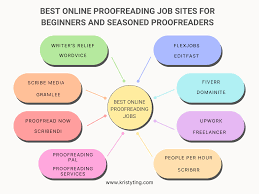
Online platforms are a huge source for freelance proofreading jobs. They connect you directly with people who need your services. Upwork, Fiverr, Freelancer, and Guru are some of the biggest names.
Each has its own way of working.
On Upwork, you create a detailed profile. You highlight your skills and experience. Then, you browse job postings.
You submit proposals for projects that match your abilities. These proposals are your chance to impress the client. You need to explain why you’re the best fit.
Mention your relevant experience. Keep it concise and professional.
Fiverr works a bit differently. You create “gigs” – specific services you offer at a set price. For example, you might offer to proofread 1000 words for $X.
Clients then browse your gigs and purchase them. This model can be great for beginners. It allows you to define your offerings clearly.
When you start on these platforms, you might need to take lower rates. This helps you get your first clients and build reviews. Clients often look at reviews very closely.
Positive feedback is gold. As you gain experience and good reviews, you can gradually increase your rates.
Be aware of platform fees. Most freelance sites take a percentage of your earnings. Understand these fees before you sign up.
Factor them into your pricing. This ensures you’re still making a profit.
Always read project descriptions carefully. Understand the client’s needs. What type of document is it?
What is the deadline? What specific services are they looking for? A clear understanding prevents misunderstandings later.
Communication is key on these platforms. Respond to messages promptly. Be polite and professional in all your interactions.
If a client asks for something outside your scope, politely explain your services. Offer to create a custom offer if appropriate.
Watch out for scams. If a client asks you to pay them first for software or training, it’s likely a scam. Legitimate clients pay you through the platform.
Never share personal banking information outside the platform. Stick to the platform’s payment system.
Building a good profile takes time. Keep it updated. Add new skills and experience as you gain them.
The more complete and professional your profile, the more likely clients are to choose you.
Some platforms also have tests. You might need to pass a grammar or proofreading test. Passing these can boost your profile.
It shows clients you have the required skills. Be prepared to take these tests seriously.
Top Freelance Platforms for Proofreaders
Platform Spotlight:
- Upwork: Great for diverse projects. Submit proposals.
- Fiverr: Create service packages (gigs). Clients come to you.
- Freelancer: Similar to Upwork, with bidding on projects.
- Guru: Another solid option for finding freelance work.
- PeoplePerHour: Offers “hourlies” which are fixed-price services.
Alternative Ways to Find Work
While online platforms are popular, they aren’t the only game in town. There are other smart ways to find freelance proofreading jobs. Think about companies that regularly need proofreading.
These could include publishing houses, marketing agencies, and law firms.
Many of these companies don’t advertise for freelance proofreaders on general job boards. Instead, they might have a “vendor” or “freelance” section on their website. Or, you might need to contact their HR department or a specific editorial manager directly.
Consider academic institutions. Universities and colleges often have many departments and professors who publish research. They may need proofreading services for grant proposals, research papers, and dissertations.
Reaching out to university departments directly can be fruitful.
Small businesses are another great source. They often lack dedicated editorial staff. They might need help with websites, brochures, newsletters, and social media content.
Identify local businesses you admire. Look at their online presence. If you see opportunities for improvement, offer your services.
A polite email outlining how you can help can lead to ongoing work.
Look for companies that produce a lot of written content. This includes websites, blogs, and online courses. Many online course creators need their materials polished.
Entrepreneurs launching new products or services also often require a final proofread. Their launch materials need to be perfect.
You can also partner with other freelancers. Connect with editors, writers, and designers. They might get projects that are too large for them or require proofreading.
They might be happy to refer clients to you. In turn, you can refer clients to them. This collaborative approach benefits everyone.
Don’t forget about professional organizations. Many industries have associations. These organizations sometimes have job boards or networking events.
Joining relevant groups can put you in touch with potential clients or referral partners. This is especially true for niche proofreading areas.
Finally, think about creating your own “evergreen” content. If you have a website or blog, write articles about proofreading. Share tips and insights.
This establishes you as an expert. People looking for proofreading services might find your content. They might then hire you.
It’s a long-term strategy.
The key is to be proactive and creative. Don’t just wait for jobs to appear. Go out and find them.
Explore different avenues. Build relationships. The more ways you have of finding clients, the more stable your freelance career will be.
Niche Proofreading Opportunities
Specializing can lead to more targeted work:
- Academic Proofreading: Theses, dissertations, research papers.
- Book Proofreading: Novels, non-fiction books, self-published authors.
- Business Proofreading: Reports, proposals, marketing materials, websites.
- Legal Proofreading: Contracts, briefs, legal documents (often requires specialized knowledge).
- Medical Proofreading: Research, patient materials (requires understanding of medical terms).
- Technical Proofreading: Manuals, specifications, engineering documents.
When It’s Normal and When to Worry
As a freelance proofreader, you’ll encounter many documents. Most of the time, errors are just honest mistakes. People get tired.
They rush. They’re too close to their own work to see the flaws. This is perfectly normal.
Your job is to catch these. That’s why clients hire you.
However, sometimes the errors might signal a bigger issue. If a client consistently sends you work with a huge number of errors. And these errors are very basic grammar mistakes.
It might mean they aren’t a strong writer. This can impact how you approach the project. You might need to spend more time than expected.
If a client asks you to “proofread” but their request sounds more like editing or rewriting, pay attention. They might not know the difference. It’s your job to clarify.
You can say something like, “I specialize in proofreading, which focuses on final errors. For extensive rewriting, that’s a different service.” You can then offer editing services if you provide them, at a different rate.
Be wary if a client is constantly changing their mind about what they want. Or if they’re vague about instructions. This can lead to frustration for both parties.
It might mean they are disorganized. This could translate into payment issues or missed deadlines on their end.
If you’re working with a client who provides feedback that is unclear or contradictory. Or if they argue about corrections that are clearly errors. This can be a red flag.
Good clients trust your expertise. They collaborate with you. They don’t argue about basic grammar.
Trust your gut feeling. If a situation feels off, it probably is. It’s okay to decline a project if it doesn’t feel right.
Or if the client seems unreasonable. It’s better to turn down a potential job than to have a negative experience. This protects your time and your reputation.
If a client is extremely difficult to get a hold of. Or if they delay payment past the agreed-upon terms. These are definite signs of trouble.
Always have a clear contract or agreement in place. This outlines your services, rates, and payment terms. It protects both you and the client.
For basic typos and grammar errors, it’s normal. For consistent, glaring mistakes that suggest a fundamental lack of writing skill, tread carefully. For unclear communication or payment issues, worry.
Your goal is to find clients who value your work and are easy to partner with.
When you get a project with many errors, it’s a good opportunity to show your value. You can point out the extensive nature of the errors. You can explain how much better the final piece will be.
This can justify your rates and build client confidence.
Spotting Red Flags (When to Be Cautious)
Watch Out For:
- Vague instructions: Client isn’t clear about what they need.
- Unrealistic deadlines: Asking for too much work in too little time.
- Requests for personal info: Beyond what’s needed for payment.
- Payment delays: Client consistently pays late or asks for extended terms.
- Disregard for your expertise: Client argues about obvious errors or refuses to use style guides.
- Requests for free work: Asking for samples that are too extensive.
Making the Leap: Setting Up Your Business
Turning your interest in freelance proofreading jobs into a real business takes a few steps. First, decide on your business structure. Many freelancers start as sole proprietors.
This is the simplest option. You operate under your own name or a chosen business name.
You’ll need to consider taxes. As a freelancer, you’re responsible for your own income taxes. This includes estimated taxes throughout the year.
Keep good records of all your income and expenses. This will make tax season much easier. You can often deduct business expenses, like your computer, software, and internet costs.
Setting up a separate business bank account is a good idea. This helps keep your personal and business finances separate. It makes tracking income and expenses much simpler.
It also looks more professional to clients.
Create a simple contract or agreement. This document should outline the scope of work, your rates, payment terms, and deadlines. Having a written agreement protects both you and the client.
It clarifies expectations and prevents disputes.
Think about insurance. While not always required, professional liability insurance (errors and omissions insurance) can protect you. It covers you if a client claims you made a mistake that caused them financial harm.
For proofreading, this is less common but can be a consideration for high-stakes projects.
Decide on your business name. If you plan to operate under a name other than your own, you might need to register it. This process varies by state and local regulations.
Check with your local government. Ensure the name isn’t already in use.
Get the right tools. This includes a reliable computer, a comfortable workspace, and good internet access. Software like Microsoft Word with track changes enabled is essential.
Consider grammar-checking tools, but remember they are aids, not replacements for your expertise.
Develop a system for managing projects. This could be a simple spreadsheet or a more advanced project management tool. You need to track deadlines, client communication, and payments.
Keeping organized is vital for efficient freelancing.
Finally, market yourself consistently. Even when you have clients, keep looking for new opportunities. Keep your website updated.
Stay active on freelance platforms. Network with others in your field. Building a sustainable freelance career requires ongoing effort.
Remember that launching a business takes time. Be patient with yourself. Celebrate small wins.
Each client and each successful project builds your momentum. The satisfaction of building something yourself is immense.
Consider your workspace. Is it quiet? Is it comfortable?
A dedicated space can help you focus. It mentally separates work from personal life. This can improve productivity and reduce stress.
Make it a place you enjoy spending time in.
Freelancer’s Business Checklist
Essentials to Cover:
- Business Name: Choose and potentially register.
- Structure: Sole Proprietorship (usually).
- Bank Account: Separate business account.
- Tax Plan: Understand estimated taxes and deductions.
- Contract: Standard agreement for services.
- Tools: Reliable computer, internet, software.
- Organization System: For projects and finances.
Tips for Long-Term Success
Finding freelance proofreading jobs is just the first step. Staying successful requires ongoing effort and smart strategies. One key is continuous learning.
The English language evolves. Style guides get updated. Staying current ensures your skills remain sharp and relevant.
Take online courses. Read books on grammar and style. Follow industry blogs.
The more you learn, the more valuable you become. This expertise allows you to tackle more complex projects. It also justifies higher rates.
Build strong client relationships. Happy clients return. They also refer new clients.
Be reliable, professional, and deliver excellent work. Go the extra mile when you can, without sacrificing your own time or well-being.
Diversify your income streams. Don’t rely on just one platform or type of client. Explore different avenues for finding work.
Consider offering related services if you have the skills, like editing or content writing. This creates a more stable income.
Manage your finances wisely. As mentioned, track income and expenses. Set aside money for taxes.
Create a budget. Understand your profit margins. Financial stability is crucial for long-term freelance success.
Take care of yourself. Freelancing can be demanding. It’s easy to overwork.
Schedule breaks. Get enough sleep. Exercise.
Pursue hobbies. Burnout is a real threat. Prioritizing your health will help you maintain productivity and enthusiasm.
Stay organized. Use calendars, to-do lists, or project management software. Keeping track of deadlines and tasks prevents missed opportunities and unhappy clients.
Good organization is the backbone of efficient freelancing.
Seek feedback. Ask clients how you did. What could you have done better?
Constructive criticism is a gift. It helps you identify areas for improvement. Use it to refine your services.
Network actively. Connect with other freelancers. Join online communities.
Attend industry events if possible. These connections provide support, advice, and potential referrals. You’re not alone in this journey.
Finally, be persistent. Freelancing has its ups and downs. There will be slow periods.
There will be rejections. Don’t get discouraged. Keep refining your skills.
Keep marketing yourself. Your dedication will pay off over time.
Think about how you present yourself. Your online presence matters. Your website, your social media profiles, and your email signature all contribute to your brand.
Ensure they are professional and consistent. This builds trust before a client even contacts you.
Frequently Asked Questions
What is the difference between proofreading and editing?
Editing focuses on the bigger content, structure, flow, and clarity of ideas. Proofreading is the final stage, focusing on surface-level errors like typos, grammar mistakes, punctuation, and formatting inconsistencies. Proofreading is about polishing what’s already written, while editing can involve substantial rewriting.
Do I need a degree to be a freelance proofreader?
While a degree in English, journalism, or a related field can be helpful, it’s not always mandatory. Many successful freelance proofreaders learn through courses, certifications, and hands-on experience. A strong command of grammar and a keen eye for detail are more critical than a specific degree.
How much can I expect to earn as a freelance proofreader?
Earnings vary greatly based on experience, niche, location, and the types of clients you serve. Beginners might earn $20-$30 per hour or around $0.01-$0.03 per word. Experienced proofreaders can charge $50-$75+ per hour or $0.05-$0.10+ per word.
Consistent work and specialization often lead to higher incomes.
What are the best freelance platforms for proofreaders?
Popular platforms include Upwork, Fiverr, Freelancer, Guru, and PeoplePerHour. Each platform has its own fee structure and way of connecting freelancers with clients. Many proofreaders use a combination of these platforms, along with direct outreach and networking, to find work.
Do I need special software to be a proofreader?
You’ll need a reliable computer with standard word processing software like Microsoft Word (with track changes) or Google Docs. A PDF editor is also useful. Grammar checkers like Grammarly can be helpful tools, but they should not be relied upon solely; your own expertise is paramount.
How do I get clients if I have no experience?
Start by building a portfolio with sample work. Offer your services at a lower rate or for free to friends, family, or non-profits to gain experience and testimonials. Actively seek out beginner-friendly jobs on freelance platforms and focus on delivering excellent quality to build a positive reputation.
Should I specialize in a niche?
Specializing can be very beneficial. It allows you to become an expert in a particular field (e.g., academic, fiction, business). This can lead to higher rates and more consistent work because clients seeking specialized skills will look for experts like you.
However, you can also be a generalist proofreader.
Conclusion
Embarking on a journey to find freelance proofreading jobs is an exciting step. It offers flexibility and the chance to use your skills meaningfully. By understanding the core skills needed, knowing where to look for clients, and building a strong professional reputation, you can create a successful freelance career.
Remember to price your services fairly, market yourself effectively, and commit to continuous learning. The world always needs clear, error-free text. Your talent is valuable.