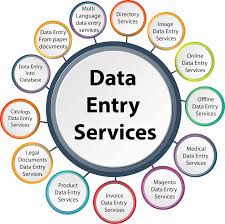
Finding real freelance data entry jobs requires knowing where to look and what to avoid. This guide will show you how to spot legitimate opportunities, understand what clients truly need, and build a reliable remote income stream doing data entry from home.
What Are Freelance Data Entry Jobs?
Freelance data entry involves typing information into computer systems. This data can be anything. It might be customer details.
It could be survey responses. Maybe it’s product lists for an online store. Or research findings from articles.
The goal is to get information from one place into another. This is often a digital format. You work for different clients.
You are not an employee. You are your own boss.
These jobs are great for people who like focused work. They are good for those who have good typing speed. Accuracy is super important too.
Clients need correct information. They can’t use bad data. The tasks themselves can vary a lot.
Some might be simple copy-pasting. Others might involve organizing spreadsheets. You might even transcribe audio or video files.
The “freelance” part means you set your own hours. You choose your clients. You decide which projects to take.
This offers a lot of freedom. But it also means you handle your own taxes. You also find your own work.
It’s not like a regular job where work just comes to you. You are responsible for finding clients. You are also responsible for getting paid.
This flexibility is a huge draw for many people.
My First Foray into the World of Remote Work
I remember my first attempt at finding remote work. It was years ago. I was stuck in a job I didn’t love.
I dreamed of working from my couch. I scrolled through job sites for hours. I saw so many ads.
Some said “Earn $500 a week typing!” Others promised “Easy money, no experience needed!” I was excited. But also a little scared. Were they real?
I clicked on one that seemed promising. It asked for a small “processing fee” upfront. It said this was for your starter kit.
My gut told me no. But my hope said yes. I paid the fee.
I never heard from them again. That was a hard lesson. I lost about $50.
But I learned to be much more careful. It taught me that if it sounds too good to be true, it probably is.
Later, I found a small online forum. People shared real job leads there. I saw a post asking for someone to help organize a large spreadsheet.
It wasn’t glamorous. But it paid a fair hourly rate. I applied.
I got the job. It was a small project. But it was real.
It was the start of building my confidence. And my remote work income.
Common Data Entry Tasks
What You Might Do:
- Typing names and addresses into databases.
- Entering product details into e-commerce sites.
- Transcribing audio recordings into text.
- Updating customer information in CRM systems.
- Organizing and cleaning up spreadsheet data.
- Inputting survey results.
- Verifying and correcting data entries.
Where to Find Legit Freelance Data Entry Jobs
So, where do you actually find these jobs? Forget those sketchy ads. Look at trusted platforms.
These sites connect freelancers with clients. They often have payment protection. They also have review systems.
This helps you avoid bad actors. You can build a reputation there.
Freelance Marketplaces: Websites like Upwork and Fiverr are popular. You create a profile. You list your skills.
Clients post jobs. You can then apply for them. Or, clients might find you.
These platforms take a small cut. But they offer security. They are a great place to start.
You can find many freelance data entry jobs listed daily.
Specialized Job Boards: Some sites focus only on remote work. FlexJobs is one. It’s a paid service.
But they vet all their listings. This means you won’t find scams there. They have sections for data entry.
There are also sites like Remote.co and We Work Remotely. These are free. They list many types of remote jobs.
Direct Outreach: You can also reach out to companies directly. Many small businesses need data help. They might not advertise on big sites.
Search for companies in industries you like. Think about e-commerce stores. Or small research firms.
Or even local businesses. See if they have a “careers” or “contact us” page. You can send them a polite email.
Offer your services. Explain how you can help them.
Networking: Tell your friends and family you’re looking for remote data entry work. You never know who knows someone. Online communities are also useful.
Join Facebook groups or LinkedIn groups for remote workers. Or for freelancers. People often share leads there.
You might find a gem through a friend.
Key Skills for Data Entry Success
- Typing Speed: Aim for at least 40-60 words per minute.
- Accuracy: Mistakes cost clients money. Focus on getting it right.
- Attention to Detail: You need to spot errors and inconsistencies.
- Computer Literacy: Know your way around common software. Think Microsoft Office Suite (Excel, Word) and Google Workspace (Sheets, Docs).
- Organization: Keep your files and tasks in order.
- Time Management: Meet deadlines. Work efficiently.
- Communication: Be clear and polite with clients.
Understanding What Clients Really Need
Clients aren’t just looking for a fast typist. They need someone reliable. They need someone who understands the value of good data.
Bad data can lead to bad decisions. It can cost businesses a lot of money. So, when you apply for jobs, think about the client’s perspective.
What is their goal? Are they trying to grow sales? Are they trying to understand customer behavior? Your data entry work helps them do that.
Frame your applications around this. Say things like, “I can help you organize your product catalog so you can boost online sales.” Or, “My accurate data entry will ensure your customer research is reliable.”
What kind of data are they dealing with? Is it sensitive information like medical records? Or financial data? If so, confidentiality is key.
You might need to sign a Non-Disclosure Agreement (NDA). Clients want to trust you. Show them you are trustworthy.
Mention any experience you have with secure data handling.
What tools do they use? Most clients use standard office software. But some might use specialized databases or platforms. Read job descriptions carefully.
If you don’t know a tool, say you’re a fast learner. Or mention similar tools you do know. For example, “I haven’t used Salesforce before, but I am very skilled in similar CRM systems like HubSpot and Zoho.”
The more you can show you understand their business needs, the better. It’s not just about typing. It’s about contributing to their success.
This makes you stand out. It helps you land better freelance data entry jobs.
The Dark Side: Recognizing and Avoiding Scams
We have to talk about the scams. They are out there. They prey on people looking for work.
Knowing the red flags is crucial. It will save you time and money. It will also save you a lot of frustration.
Red Flag 1: Upfront Fees. This is the biggest one. Legitimate employers do not ask you to pay them to start working. This includes fees for training, software, or background checks.
If they want money from you before you earn money, walk away. This is a classic scam tactic.
Red Flag 2: Vague Job Descriptions. If the ad is unclear about what you’ll do, who the client is, or how much you’ll be paid, be suspicious. Real jobs have clear details. They tell you the tasks involved.
They specify the pay rate or project fee. They mention the client company or industry.
Red Flag 3: Unrealistic Pay. Earning thousands of dollars a week for simple typing is not realistic. Data entry is valuable, but it’s not a get-rich-quick scheme. If the promised pay is astronomically high for minimal effort, it’s almost certainly a scam.
Compare the offered pay to industry averages for freelance data entry jobs.
Red Flag 4: Poor Communication. Scammers often use generic email addresses. Their grammar and spelling might be poor. They might rush you into making a decision.
Or they might avoid answering direct questions about the job or payment. Professional clients communicate clearly. They answer your questions thoroughly.
Red Flag 5: Requests for Sensitive Personal Information Too Soon. While clients will need your contact info, be cautious if they ask for your Social Security number, bank account details, or other highly sensitive information before you’ve agreed to a contract or started work. This info is usually needed for payment processing after an agreement is in place.
Always trust your gut. If something feels off, it probably is. Do your research on the company or client.
Look for reviews. See if they have a legitimate website. Be safe.
There are plenty of real jobs out there.
Scam Spotting Checklist
Ask Yourself:
- Are they asking for money upfront?
- Is the job description unclear?
- Does the pay seem too good to be true?
- Is their communication unprofessional or vague?
- Are they asking for sensitive personal info too early?
If you answered YES to any of these, proceed with extreme caution or decline the opportunity.
Building Your Data Entry Profile
Once you know where to look and what to avoid, it’s time to build your profile. This is your digital resume. It’s what clients see first.
Make it count. Whether it’s on Upwork, Fiverr, or a personal website, your profile needs to impress.
Use a Professional Choose a clear, friendly headshot. You want to look approachable and professional. No selfies from the beach, please.
A simple, well-lit photo is best.
Write a Compelling Summary: This is your elevator pitch. Highlight your key skills. Mention your typing speed and accuracy.
State what kind of clients you want to work with. Use keywords that clients might search for, like “accurate data entry,” “spreadsheet management,” or “virtual assistant services.” Make it concise and engaging.
Detail Your Experience: List any relevant past work. Even if it wasn’t strictly “data entry,” highlight transferable skills. Did you manage inventory?
Did you input customer orders? Did you organize files? Explain these tasks in terms of data handling and accuracy.
Quantify your achievements if possible. For example, “Managed inventory database for a retail store, reducing entry errors by 15%.”
Showcase Your Skills: List specific software you are proficient in. Microsoft Excel and Google Sheets are essential. Mention any CRM (Customer Relationship Management) software you know.
Include typing speed test results if you have them. You can often get free typing tests online.
Get Recommendations: If you have worked for clients before, ask them for testimonials. Positive reviews are gold. They build trust.
On platforms like Upwork, encourage clients to leave feedback. This helps your rating.
A strong profile is key to landing good freelance data entry jobs. It shows clients you are serious. It shows them you are capable.
It makes them want to hire you.
Setting Your Rates for Data Entry Work
Figuring out how much to charge can be tricky. There are a few ways to approach this. You can charge by the hour.
Or you can charge by the project. Your rate depends on your experience. It also depends on the complexity of the task.
And the client’s budget.
Hourly Rates: For beginners, hourly rates might range from $10 to $20 per hour. As you gain experience and good reviews, you can charge more. Experienced data entry professionals can earn $20 to $30+ per hour.
Some specialized roles might pay even more. Websites like Glassdoor or Payscale can give you general salary ranges in the U.S. for data entry roles.
Project-Based Rates: For this, you estimate how long a project will take. Then you multiply that by your desired hourly rate. For example, if a task might take 5 hours and you want $15/hour, you’d charge $75 for the project.
Projects with a clear scope are good for this. It gives the client a fixed cost. It gives you peace of mind.
Factors to Consider:
- Complexity: Simple data entry (copy-paste) pays less than complex data analysis or transcription.
- Speed & Accuracy: If you have very high speed and accuracy, you can command higher rates.
- Software Proficiency: Knowledge of advanced Excel functions or specific databases can increase your value.
- Turnaround Time: Urgent projects often justify higher fees.
- Client Budget: Some clients have larger budgets than others. Research typical rates in their industry.
Don’t undercharge. It devalues your work. It also attracts clients who might not be serious.
Research what others with similar skills are charging. Use this information to set fair, competitive rates for your freelance data entry jobs.
Quick Rate Guide (USD)
| Experience Level | Typical Hourly Rate | Notes |
|---|---|---|
| Beginner | $10 – $15 | Focus on building reviews. |
| Intermediate | $15 – $25 | Established client base, good reviews. |
| Advanced / Specialized | $25 – $40+ | Expertise in specific software or industries. |
The Importance of Contracts and Payment Terms
Even for small projects, a contract is important. It protects both you and the client. It clearly states what you will do.
It also states how and when you will be paid. This prevents misunderstandings later.
What a Contract Should Include:
- Scope of Work: A detailed description of the tasks.
- Deliverables: What the client will receive (e.g., a cleaned spreadsheet, a database export).
- Timeline: Start date, end date, or deadlines for milestones.
- Payment Terms: The agreed rate (hourly or project fee). How and when payment will be made (e.g., net 15 days, upon completion, weekly).
- Payment Method: How you want to be paid (e.g., PayPal, bank transfer, through a freelance platform).
- Confidentiality Clause: If applicable, especially for sensitive data.
- Termination Clause: How either party can end the contract.
Freelance platforms often have built-in contract features. If you work directly with a client, use a simple contract template. You can find many free ones online.
Make sure to customize it for each job.
Payment Methods: PayPal is common for freelancers. However, be aware of fees. Bank transfers are another option.
Some clients may prefer checks, especially for larger amounts. Always get paid. Never let a client stall payment.
If they delay, send polite reminders. If that doesn’t work, you may need to take further steps. This could involve dispute resolution on platforms or, in extreme cases, legal action.
Clear agreements and secure payment terms are vital for successful freelance data entry jobs. They ensure you get paid for your hard work.
Dealing with Clients: Communication is Key
Working with clients remotely requires excellent communication. You don’t see them in person. So, your written and verbal communication needs to be top-notch.
This builds trust. It ensures everyone is on the same page.
Be Responsive: Answer emails and messages promptly. If you can’t complete a task right away, let them know. A quick “I received your message and will get back to you by ” is better than silence.
Ask Questions: If anything is unclear, ask. It’s better to clarify upfront than to do the work incorrectly. Frame your questions politely.
“Could you please clarify X?” or “To confirm my understanding, are you looking for Y?”
Provide Updates: Keep clients informed of your progress, especially on longer projects. Regular updates show you are on track. They also give clients a chance to provide feedback.
This can prevent major issues later.
Be Professional: Even if you’re having a bad day, maintain a professional tone. Avoid slang or overly casual language unless the client initiates it and you are comfortable. Remember, you are representing your business.
Handle Feedback Gracefully: Clients may have feedback. Sometimes it’s constructive. Sometimes it might feel critical.
Listen to it. If it’s valid, make the changes. If you disagree, explain your reasoning calmly.
The goal is a happy client and a completed project.
Good communication is a cornerstone of successful freelance data entry jobs. It leads to repeat business and good reviews.
Effective Communication Tips
- Be Prompt: Respond within 24 hours, ideally sooner.
- Be Clear: Use simple language. Avoid jargon.
- Be Polite: Always maintain a respectful tone.
- Be Proactive: Offer updates and ask clarifying questions.
- Be Brief: Get to the point. Respect their time.
Expanding Your Data Entry Skills
Data entry can be a great starting point for remote work. But don’t stop there. You can expand your skills.
This can lead to more opportunities. It can also increase your earning potential.
Learn Advanced Spreadsheet Skills: Master Microsoft Excel or Google Sheets. Learn formulas, pivot tables, and data visualization. This makes you much more valuable than someone who just types numbers.
Explore Virtual Assistant (VA) Services: Many data entry tasks are part of broader VA roles. A VA can manage emails, schedule appointments, do social media updates, and more. Your data entry accuracy is a great foundation for these tasks.
Consider Transcription: If you have good listening skills and fast typing, medical or legal transcription can be lucrative. This involves listening to audio and typing exactly what is said.
Data Cleansing and Formatting: Companies often have messy data. Learning to clean it, remove duplicates, and format it correctly is a valuable skill. This is a step up from basic entry.
Basic Bookkeeping: If you are good with numbers and detail, learning basic bookkeeping can open doors. Many small businesses need help with invoicing and expense tracking.
Continuous learning is key in the freelance world. Investing in yourself pays off. It allows you to take on more interesting and higher-paying freelance data entry jobs.
When is Data Entry Not Worth It?
While freelance data entry can be a good income source, it’s not for everyone or every situation. Sometimes, the effort might outweigh the reward.
Extremely Low Pay: If you find yourself consistently working for rates that don’t cover your expenses or value your time, it’s time to re-evaluate. Look for better-paying opportunities or explore other remote work fields.
Monotony and Burnout: Some data entry tasks can be very repetitive. If you find yourself bored to tears or experiencing burnout, it might be a sign to switch to different kinds of tasks or clients. Your mental well-being is important.
Lack of Growth: If you feel like you’re stuck doing the same simple tasks without any chance to learn or grow, it might be time to aim higher. Use data entry as a stepping stone, not a final destination.
Poor Client Relationships: Dealing with disrespectful clients or constant unrealistic demands can make even well-paying work feel awful. It’s okay to say no to clients who aren’t a good fit, even if the pay is decent.
It’s important to recognize these signs. They can help you make informed decisions about your career path. Don’t be afraid to pivot if something isn’t working for you.
Many freelance data entry jobs exist, but they should fit your life, not drain it.
Frequently Asked Questions About Freelance Data Entry Jobs
What are the typical requirements to start as a freelance data entry worker?
You usually need a reliable computer, a stable internet connection, and good typing skills (speed and accuracy). Familiarity with common office software like Microsoft Excel and Word is also important. Many clients look for strong attention to detail and good communication skills.
How quickly can I start earning money with freelance data entry?
It can vary. If you already have a strong profile on a platform like Upwork and good skills, you might land a job within days. If you’re starting from scratch, it could take a few weeks to build a profile, apply for jobs, and get accepted.
Having a portfolio or past examples can speed things up.
Can I really make a full-time income from freelance data entry?
Yes, it’s possible, but it often requires consistent effort. You need to find enough clients and projects. As you build your reputation and increase your rates, you can earn a good living.
Many also combine data entry with other remote tasks or virtual assistant services to create a fuller income.
What if I make a mistake in my data entry work?
Mistakes happen to everyone. The key is to catch them and fix them. If you find an error, report it to your client immediately.
Offer to correct it as quickly as possible. Being honest and proactive can minimize issues and maintain trust. This is why accuracy is so important in data entry.
Are there specific types of data entry that pay more?
Generally, specialized data entry roles pay more. This includes medical transcription, legal data entry, or entry involving complex databases. Tasks requiring specific industry knowledge or advanced software skills will often command higher rates than simple copy-paste jobs.
The more specialized your skill, the higher your earning potential.
How do I avoid scams when looking for data entry jobs?
Be very wary of upfront fees. If a job requires you to pay for training, software, or a “starter kit,” it’s likely a scam. Also, be suspicious of offers that sound too good to be true, like extremely high pay for very little work.
Always research the company and look for legitimate reviews before committing to anything.
Final Thoughts on Finding Your Data Entry Niche
Finding legitimate freelance data entry jobs is totally achievable. It takes patience and a smart approach. Focus on building a strong profile.
Learn to spot and avoid scams. Communicate clearly with clients. And never stop learning and improving your skills.
Data entry can be a solid way to earn money from home. It offers flexibility. It can be a great stepping stone.
Remember, your attention to detail and reliability are valuable. Treat your freelance work as a real business. With the right strategy, you can find rewarding opportunities.